
July 23, 2026
Your car takes a beating in Dubai. Hot weather, desert dust, and long drives on busy roads all add wear and tear. The right...

Every year, many accidents happen due to mechanical failures. A worn brake pad, a bald tire, an overheating engine, or a weak battery might seem minor on its own, but on a busy road, any one of them can turn into a life-threatening situation in seconds.
Continuous vehicle maintenance and regular inspections are important. They aren’t just a legal requirement; they are one of the simplest ways to protect yourself and everyone else on the road. This applies in every season and every driving condition.
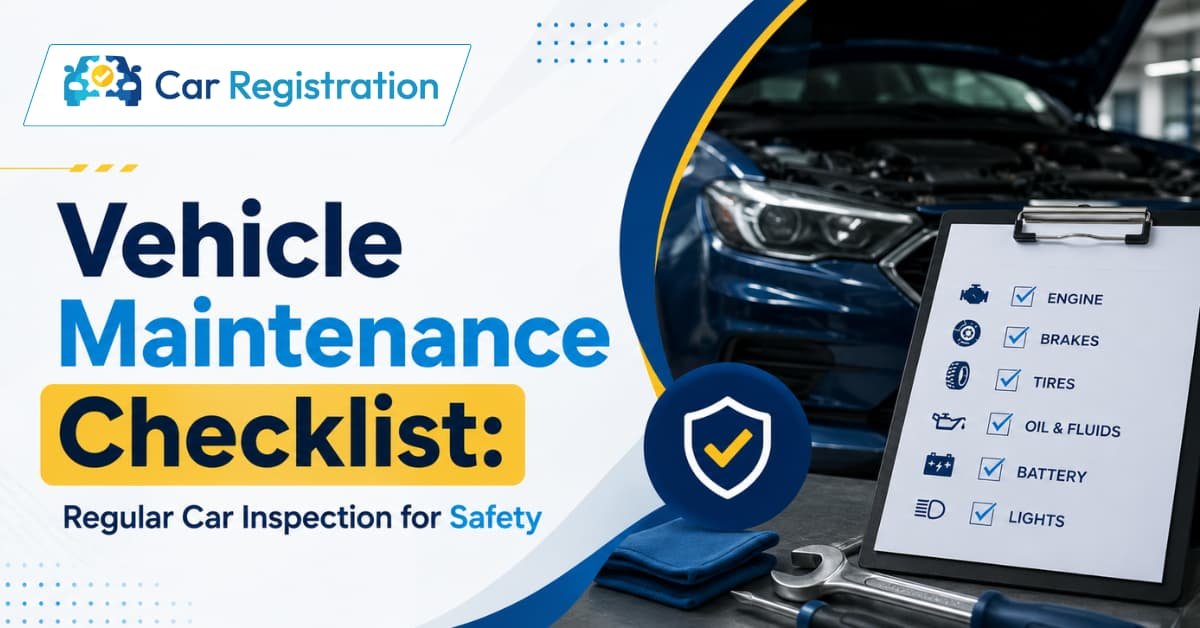
This guide covers why vehicle inspections matter and a regular vehicle maintenance checklist. It also explains how extreme heat adds extra strain on your car’s systems and how to build a maintenance habit that keeps your vehicle safe, reliable, and road-ready.
Vehicles have many moving parts. Brakes wear down, tires lose grip, fluids degrade, and batteries weaken over time. These issues don’t happen overnight. They can go unnoticed until it’s too late. This is why regular vehicle maintenance is necessary to keep cars running smoothly and safely.
Mechanical failure is rarely sudden. It’s usually the result of a small issue that went unnoticed for weeks or months. A soft brake pedal, slow tire leak, rising temperature gauge, and ignored dashboard warning lights are all early warning signs. Regular inspections catch these issues early, making them cheaper and easier to fix before they become safety risks.
Checking vehicles is crucial for ensuring safety on the road. This is important to organizations like the Roads and Transport Authority (RTA). Taking your car to places like Tasjeel for an annual check or regularly inspecting it yourself can help identify any issues before they become serious problems. This makes driving safer for everyone.
In hot weather, high temperatures can cause more wear and tear on various parts of your car. For example, tires can get damaged more quickly, batteries lose their strength sooner, engine oil doesn’t work as well for as long, and cooling systems have to work extra hard to keep the engine from overheating. Because of this, it’s important to pay extra attention to the following maintenance checks and do them more often when the temperature rises.
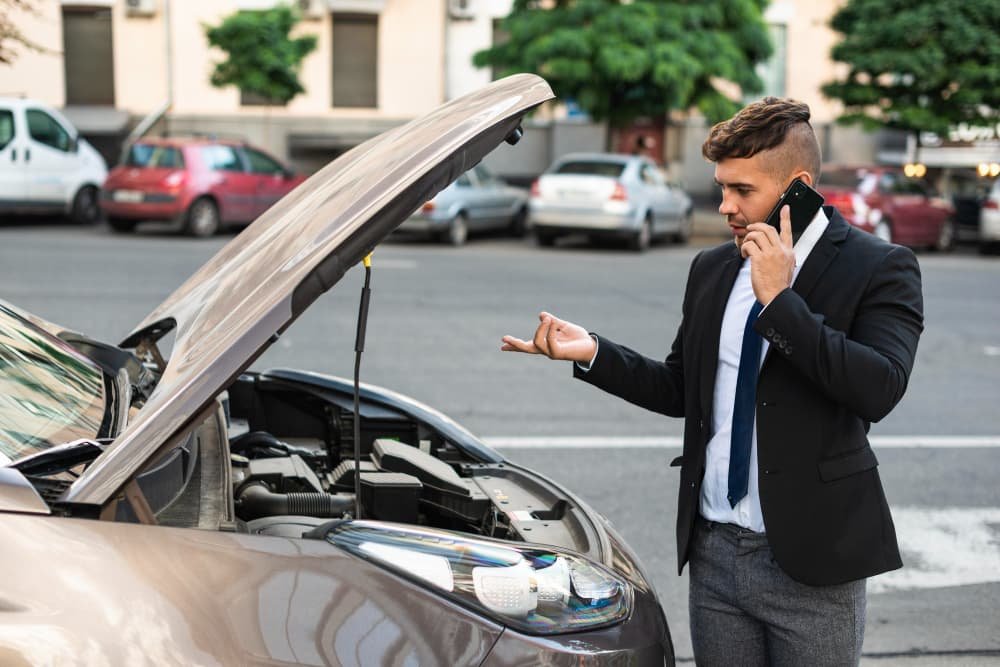
Regular vehicle maintenance is important for several reasons. Regular maintenance helps find small problems before they turn into big ones. Checking the engine, tires, and battery can prevent unexpected breakdowns. However, if this happens, there is no need to worry. Vehicle recovery services are available to provide quick assistance and transport the car to a safe location or repair shop.
Keep an eye on your tires by checking their tread depth, looking for any cracks or bulges, and making sure the air pressure is right, including the spare tire. It’s especially important to check your tires more often during hot weather because heat can make the air inside them expand, which increases the chance of a blowout. Worn-out tires or uneven wear can make it harder for your car to grip the road safely.
When it comes to brakes, if the pedal feels soft or spongy, if you hear any squeaking or grinding noises, or if the car pulls to one side when you brake, it’s time to get them checked. Make sure to regularly look at the thickness of your brake pads and check your brake fluid level, since good brakes are crucial for keeping you safe on the road.
Also, don’t forget about your engine coolant! If you run low on coolant, your engine can overheat quickly, especially in heavy traffic or high temperatures. Check the coolant levels often, look for any leaks under the hood, and don’t ignore a rising temperature gauge. If it starts to climb, pull over and let your engine cool down.
Engine oil plays a vital role in keeping your car running smoothly. It lubricates the moving parts and helps keep the engine from overheating. When the engine gets too hot, the oil can break down more quickly, which leads to increased wear and tear. To keep everything in check, it’s important to regularly check your engine oil, as well as other fluids like brake fluid and transmission fluid.
Extreme heat can really shorten the life of your car battery. High temperatures speed up the processes inside the battery and can cause the fluid inside it to evaporate faster, which can harm its parts. If you notice your car starting slowly, your lights flickering, or any electrical issues, these might be signs that your battery needs attention. Be sure to inspect the battery regularly, especially if it’s a few years old.
A well-functioning air conditioning (AC) system is essential, not just for comfort but also for staying focused while driving. If you notice weak airflow, warm air coming out, or strange noises, it’s likely time for a check-up. Problems like refrigerant leaks and clogged filters can occur when the AC is used at full capacity for long periods, so taking care of it is important for your overall driving experience.
Make sure to regularly check your car’s lights, including the headlights, brake lights, turn signals, and hazard lights. If even one bulb goes out, it can make it harder for other drivers to see you or understand what you’re doing. This can lead to accidents.
Pay attention to the warning lights on your dashboard, like the check engine light, brake warning light, battery light, and ABS light. These lights are there to help you stay safe and keep the car running well. If you see one of these lights come on, don’t ignore it; get your car checked out soon to avoid bigger problems down the road.
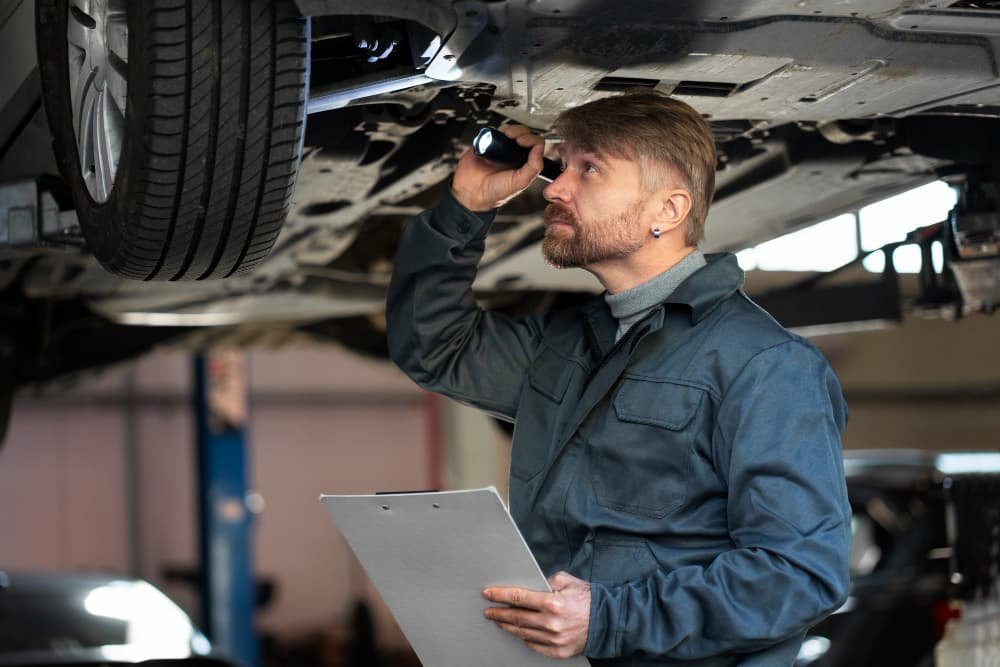
If your vehicle is over three years old, you need to take it for a yearly inspection at an approved testing center like Tasjeel. This inspection is important to ensure that your car is safe to drive and meets the required standards. During this check, they will inspect key components of your vehicle, including the brakes, tires, lights, and emissions.
In addition to the annual inspection, it’s a good idea to have a mechanic check your car every 5,000 to 10,000 kilometers to keep it in good shape. You should also take a few moments to regularly check things yourself, such as the condition of your tires, lights, fluid levels, and battery, especially during hot weather or before long trips. Doing these simple checks can help keep you safe on the road!
One of the biggest advantages of regular vehicle maintenance is safety. Noticing problems like worn-out brake pads, bad tires, or an overheating engine before they break down can help you avoid accidents on the road. It can mean the difference between a simple fix and a serious crash.
Taking care of small problems early on usually saves you money in the long run. For example, fixing minor brake issues or adding coolant is much cheaper than dealing with the costs of a car accident or a major breakdown.
Regular maintenance helps you pass vehicle inspections, which are necessary for renewing your registration. If you skip maintenance, you might end up failing the inspection, facing delays, paying fines, or even having your car taken off the road until repairs are made. Keeping up with your vehicle’s care not only keeps you safe but also helps you stay compliant with the law.
Keeping your vehicle roadworthy doesn’t have to be complicated. Staying on top of inspections and registration renewal is important, but finding the time to visit a testing center or garage isn’t always easy. This is where Car Registration UAE can help.
Taking care of your vehicle is more than just making sure it can pass inspections. It is crucial for keeping you, your passengers, and everyone else on the road safe. Taking just a few minutes to check your vehicle regularly can help prevent accidents and breakdowns that could easily be avoided.
Your car takes a beating in Dubai. Hot weather, desert dust, and long drives on busy roads all add wear and tear. The right...

Living in the UAE means driving on smooth highways, going on long road trips, and facing strong heat, especially in summer. But did you...
If you live in Dubai, you are required to have your car tested annually. This is called vehicle testing. The Roads and Transport Authority...